Pressure Sensor transmitter-Special for injection molding machine
The injection molding machine is also known as an injection molding machine or injection machine. It is the main molding equipment for making thermoplastic or thermosetting plastics into various shapes of plastic products using plastic molding dies. Divided into vertical, horizontal, and all-electric. The injection molding machine can heat the plastic and apply high pressure to the molten plastic to make it shoot out and fill the mold cavity. The principle of the injection molding machine is to use the thrust of the screw (or plunger) to quickly inject the plasticized plastic in the molten state (that is, the viscous flow state) into the closed mold cavity at high pressure, and obtain the product after solidification and shaping. crafting process. It undergoes mold clamping, injection, pressure holding, cooling and plasticization, mold opening, demoulding, etc.
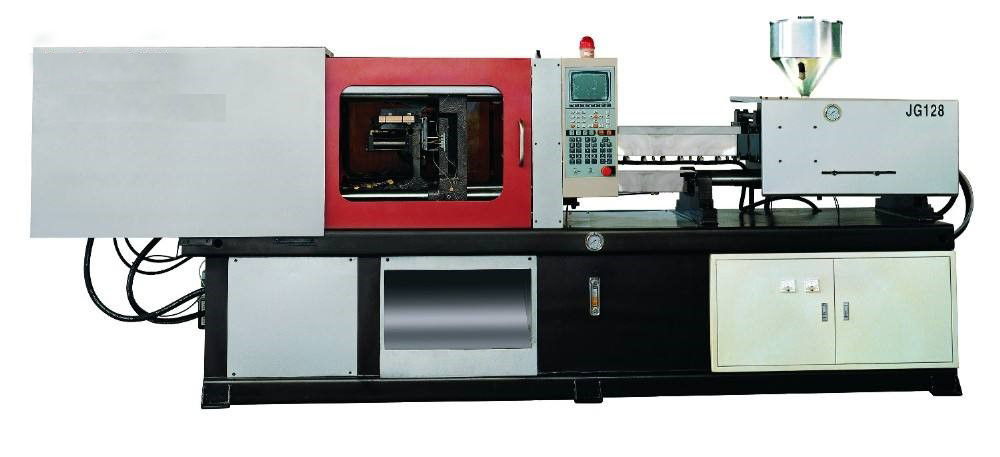
Injection molding machine pressure sensor transmitter
The use of sensors on injection molding machines
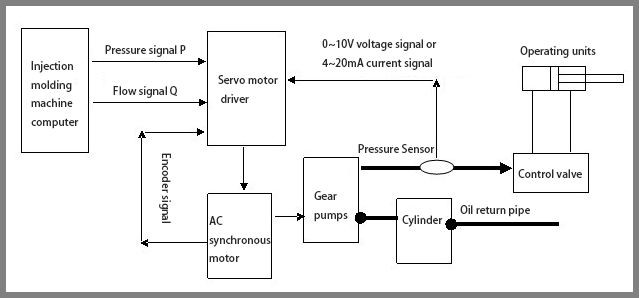
The main parameters of OULD Pressure sensor transmitter
| Range |
Range |
| Output signal |
0-10 VDC, 4- 20mA selectable |
| Supply voltage |
9-33VDC/td> |
| Overload pressure |
2 double |
| Operating temperature |
-45℃-125℃ |
| Temperature drift |
±0.02%/℃ |
| Comprehensive accuracy |
0.5%FS |
| Respond time |
Within 1ms |
| Electrical connection |
M12*1 industrial plug, Hirschmann GDM3009 |
| Process connection |
G1/4, R1/4 and other connection methods |
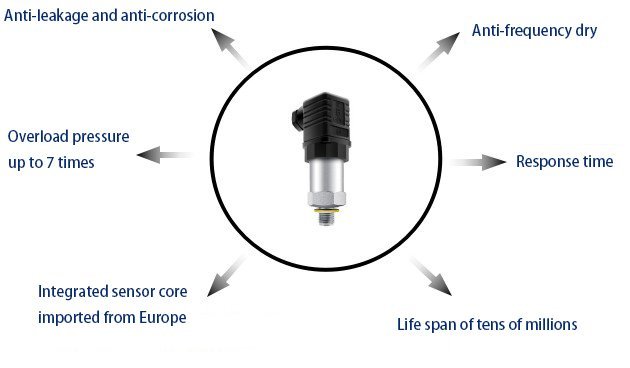
Advantages of OULD Pressure sensor transmitter
Status and trends of injection molding machine industry
1. Global Market
From a global perspective, the growth rate of the injection molding machine market is relatively stable. The global injection molding machine market is expected to rise steadily from 8.482 billion euros in 2016 to 11.557 billion euros in 2024, with a compound annual growth rate of nearly 3.94%.
Country distribution
The output of plastic molding equipment in Germany, Austria, China, Japan, South Korea and Canada accounts for about 80% of the total global output. Manufacturing powerhouses such as Europe and Japan attach great importance to innovation in the field of plastic machinery. More than 45% of the global plastic machinery patents are owned by European companies, and more than half of the annual export value also comes from Europe. The precision injection molding machines and large injection molding machines produced in European countries represented by Germany have high technology content and high added value, with high profit margins, and almost monopolize the high-end market.
Electric injection molding machines produced in Japan have a market share of 30% in North America, and they have obvious advantages in rapid cycle molding and high-precision miniaturized injection molding. In 2013, the market size of my country’s injection molding machine was 42,000 units, higher than 35,000 units in Japan, 3,500 units in the United States, and 2,800 units in Germany. From the perspective of production and sales, by 2017, China’s injection molding machine production accounted for 49.9% of the world, with an output of about 90,000 units and a consumption of 66,000 units.
Application and development of injection molding machine
It has been half a century since the initial injection molding machine was developed, and 80% of the engineering plastics industry currently uses injection molding. In recent years, due to the increasing needs of industries such as automobiles, construction, household appliances, food, medicine, etc., the development and improvement of injection molding technology have been promoted. At present, from the perspective of major producing countries such as the United States and Europe, the output of injection molding machines is increasing year by year, accounting for the largest proportion of plastic machinery.
1. Motorization of small machines, electro-hydraulic hybridization
At present, the entire small injection molding machine is developing towards electrification and electro-hydraulic hybridization. Electricity has the advantages of environmental protection and synthesis of precision parts. Electro-hydraulic hybridization is a combination of the advantages of electric and hydraulic. By adopting electro-hydraulic hybrid power, it has the technical advantages of high precision, speed, energy saving, environmental protection, reliability and durability. If electric pre-molding is adopted, the plasticization is driven by electric and the rest of the injection molding process is driven by hydraulic pressure. Electric and electro-hydraulic composite injection molding machines are popular models in the 3C industry, medical and other industries that require high working environment and precision. Two-board mainframe.
With the rapid development of my country’s national municipal engineering, rail transit and other fields, such as aircraft, high-speed rail, high-speed trains and other strategic needs, the demand for large two-plate injection molding machines for large plastic parts is increasing. The two-platen machine has the advantages of saving space and improving efficiency, and is currently becoming the main development direction of large injection molding machines.
2. Investment needs of downstream industries
The output of the plastic products industry has grown steadily, and the per capita plastic consumption is still lower than that of developed countries. From the perspective of the output of plastic products, its output has maintained a steady growth. From 2009 to 2016, the compound growth rate of China’s plastic product output was 4.8%. In 2016, the industry output reached 77.17 million tons. From 2017 to 2018, China’s plastic product products experienced a sharp decline. In 2019, domestic plastic product output resumed growth, reaching 81,841,700 tons, a significant year-on-year increase of 35.5%. This is mainly due to the shift of China’s waste plastic imports from Europe and the United States to Southeast Asia and waste plastics The increase in recycling is related.
The downstream application industries of injection molding machines include building materials, automobiles, home appliances, packaging, 3C industries, toys and other industries, which basically cover the entire downstream manufacturing industry and are closely related to the overall macroeconomic operation.
The main applications of injection molding machines in China are in four major industries: general plastics, automobiles, home appliances and packaging beverages. More than 90% of injection molding machines are used in these four major industries. According to the “China Plastic Machinery Industry Yearbook”, general plastics accounted for 28%, automobiles accounted for 26%, household appliances accounted for 25%, and packaging accounted for 12%. According to the report of Interconnection Consulting Company, there is no big difference in the downstream applications of injection molding machines at home and abroad. The downstream injection molding machines in the world are 25%-30% for automobiles, 20%-25% for household appliances, and 12%-16% for packaging.
From the perspective of downstream industry output, new energy vehicles have grown rapidly since May 2017, mainly due to favorable policies such as the reduction of down payment ratios for new energy vehicles and second-hand vehicles in the “Auto Loan Management Measures”. At the same time, the two sessions in 2018 Proposing the development of new consumption business models and new models, extending the new energy vehicle purchase tax preferential policy for another three years, and completely abolishing the policy of restricted relocation of used vehicles.
The output of new energy vehicles is expected to continue to maintain rapid growth; in the home appliance industry, household air conditioners and refrigerators Out of the trough of negative growth in 2015, it has continued to maintain a double-digit growth since February 2017; the year-on-year growth of special packaging machinery has slowed down; and the precision and light weight of the 3C industry is the overall development trend.